Billing Software for Restaurants and Hotel in Nepal: The Complete Guide for Modern Restaurant Management (2026)

The restaurant industry is evolving rapidly, and technology is no longer optional it has become a core part of running a successful business. Whether you own a small café, a fine dining restaurant, or a multi-outlet food chain, managing operations manually can slow you down and lead to costly mistakes.
Based on my experience working with restaurant businesses, one of the biggest gaps I consistently see is in billing and order management. Many restaurants still rely on manual systems or outdated tools, which creates inefficiencies across the entire operation.
This is where billing software for restaurants plays a crucial role. It not only simplifies billing but also connects different parts of your business into one streamlined system.
What is Billing Software for Restaurants?
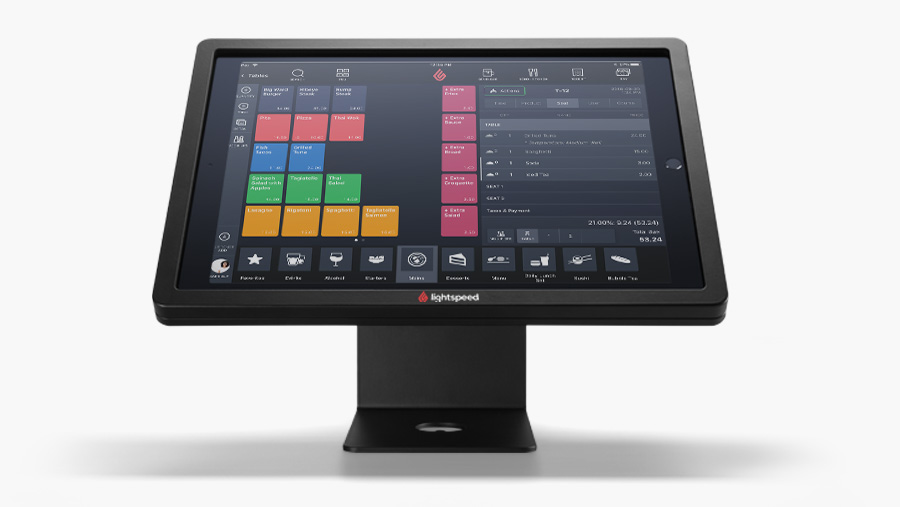
Billing software for restaurants is a digital solution, often referred to as a Point of Sale (POS) system, that automates billing and operational workflows.
It helps restaurant owners and staff manage:
- Order taking for dine-in, takeaway, and delivery
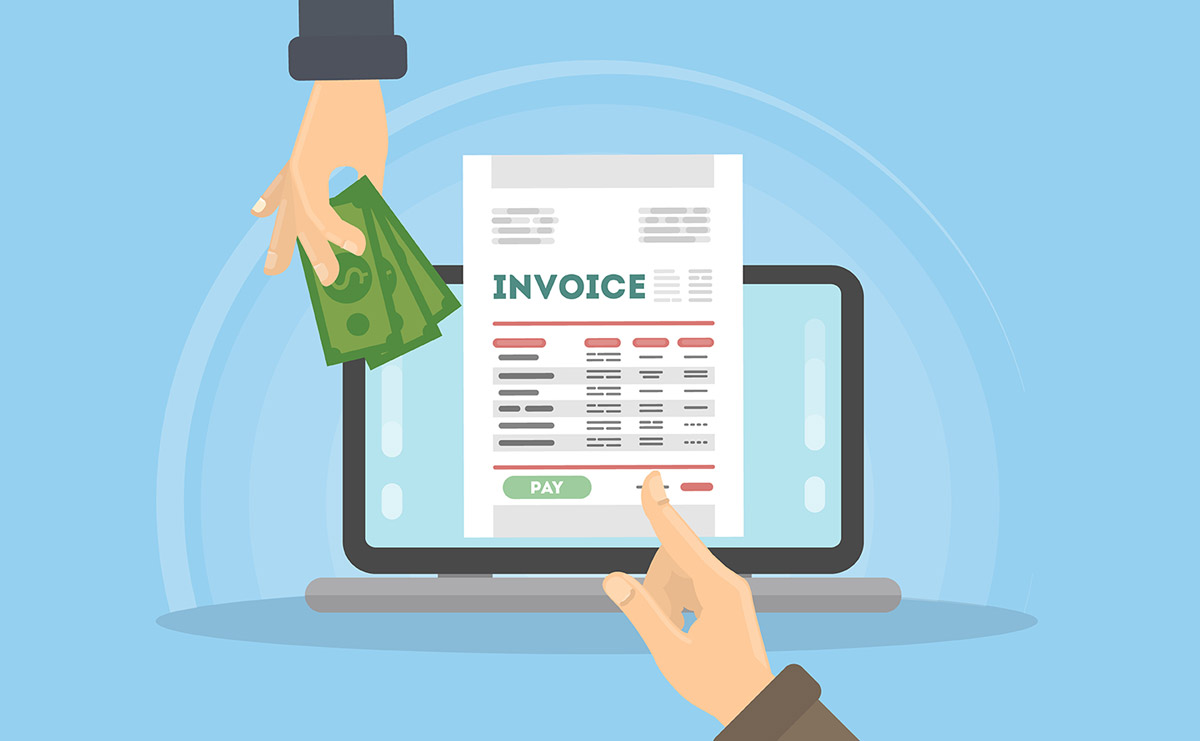
- Bill generation and invoice management
- Payment processing across multiple methods
- Inventory tracking and stock management
- Sales reporting and analytics
Instead of handling these tasks manually, the software centralizes everything into a single platform, making operations faster and more accurate.
Why Restaurant Billing Software is Essential in 2026
Restaurants today operate in a highly competitive and fast-paced environment. Customers expect quick service, accurate billing, and seamless payment options. At the same time, business owners need better control over costs, inventory, and staff performance.
Billing software addresses these challenges in several ways.
Improved Speed and Efficiency
One of the most immediate benefits is faster billing. During peak hours, manual billing can create long queues and delays. Billing software allows staff to generate bills instantly, reducing waiting time and improving the overall dining experience.
Reduction in Human Errors
Manual calculations often lead to mistakes in totals, taxes, or discounts. These errors not only affect revenue but can also damage customer trust. Billing software automates calculations, ensuring accuracy in every transaction.
Better Order Management
Modern billing systems are integrated with kitchen operations. Orders entered at the counter or table are sent directly to the kitchen, reducing miscommunication and speeding up service.
Real-Time Inventory Control
Inventory is one of the most critical aspects of restaurant management. Billing software automatically updates stock levels when orders are placed. This helps in tracking ingredient usage, reducing wastage, and avoiding stock shortages.
Data-Driven Decision Making
Instead of relying on guesswork, restaurant owners can access detailed reports on sales, popular items, and peak hours. This data helps in making informed decisions that improve profitability.
Key Features of Restaurant Billing Software
Choosing the right billing software requires understanding the features that truly matter for restaurant operations.
Point of Sale (POS) Interface
A user-friendly POS interface allows staff to quickly take orders and generate bills. It should be easy to learn and efficient during busy hours.
Table Management
For dine-in restaurants, table management is essential. The software should allow you to track table availability, assign orders, and manage seating efficiently.
Kitchen Order Ticket (KOT) System
The KOT system ensures that orders are sent directly to the kitchen in real time. This reduces delays and improves coordination between front-end and kitchen staff.
Multi-Payment Support
Customers today prefer different payment methods, including cash, cards, and digital wallets. Billing software should support multiple payment options to ensure smooth transactions.
Inventory Management
The system should automatically deduct inventory based on orders and provide alerts when stock levels are low. This helps in maintaining optimal inventory levels.
Reporting and Analytics
Detailed reports on daily sales, item performance, and revenue trends help restaurant owners understand their business better and identify growth opportunities.
Offline Functionality
In areas where internet connectivity may be unstable, offline functionality is important. The software should continue working without interruption and sync data once the connection is restored.
How Billing Software Improves Restaurant Operations
To understand the real impact, it’s important to look at how billing software transforms daily operations.
Without billing software, staff often rely on handwritten orders and manual calculations. This can lead to delays, confusion, and errors, especially during peak hours.
With billing software, the process becomes streamlined. Orders are taken digitally, sent instantly to the kitchen, and converted into bills within seconds. Inventory is updated automatically, and sales data is recorded in real time.
This level of automation reduces workload for staff and allows restaurant owners to focus on improving customer experience and growing their business.
Challenges Solved by Billing Software
Many restaurant owners face common operational challenges that billing software can effectively solve.
One major challenge is managing high customer volume during busy hours. Billing software speeds up service and reduces bottlenecks.
Another challenge is maintaining accurate inventory. Manual tracking often leads to overstocking or stockouts. Automated inventory management ensures better control.
Staff management is also a concern for many businesses. With reporting features, owners can monitor performance and identify areas for improvement.
Finally, compliance with tax regulations can be complex. Billing software simplifies this by generating accurate invoices and maintaining proper records.
Cloud-Based Billing Software vs Traditional Systems
There are two main types of billing systems: cloud-based and traditional (offline).
Cloud-based systems allow you to access your data from anywhere, making them ideal for multi-branch restaurants or owners who want remote control over operations. They also offer automatic updates and better data security.
Traditional systems, on the other hand, are limited to a single device and require manual updates. They may be suitable for very small setups but lack scalability.
In 2026, most modern restaurants are moving toward cloud-based solutions due to their flexibility and long-term benefits.
Future Trends in Restaurant Billing Software
The future of restaurant billing is closely tied to advancements in artificial intelligence and automation.
AI-powered systems can analyze sales patterns and predict demand, helping restaurants plan inventory more effectively. They can also provide recommendations for menu optimization based on customer preferences.
Integration with online ordering platforms and delivery services is becoming standard. This ensures that all orders, whether online or offline, are managed in one system.
Contactless payments and digital billing are also gaining popularity, driven by customer demand for convenience and safety.