Restaurant KOT Software in Nepal: How Kitchen Order Tickets Improve Operations
Running a restaurant involves much more than serving great food. Restaurant owners and managers need to coordinate orders, communicate with the kitchen, manage billing, monitor inventory, and ensure customers receive their meals accurately and on time.
One area that can significantly affect restaurant efficiency is Kitchen Order Ticket (KOT) management.
Traditionally, restaurants have relied on handwritten order slips or verbal communication between waiters and kitchen staff. While this may work for a small operation, it can become difficult to manage when order volumes increase.
This is where Restaurant KOT Software in Nepal can help.
A KOT-enabled restaurant management or POS system allows customer orders to be recorded digitally and sent directly to the appropriate kitchen station. This reduces communication gaps, minimizes errors, and helps restaurants maintain a smoother workflow.
What Is KOT in a Restaurant?
KOT stands for Kitchen Order Ticket. It is a system used by restaurants to communicate food orders from the front-of-house team to the kitchen.
For example, when a customer orders:
- Chicken Momo
- Chowmein
- Chicken Curry
- Fried Rice
- Soft Drinks
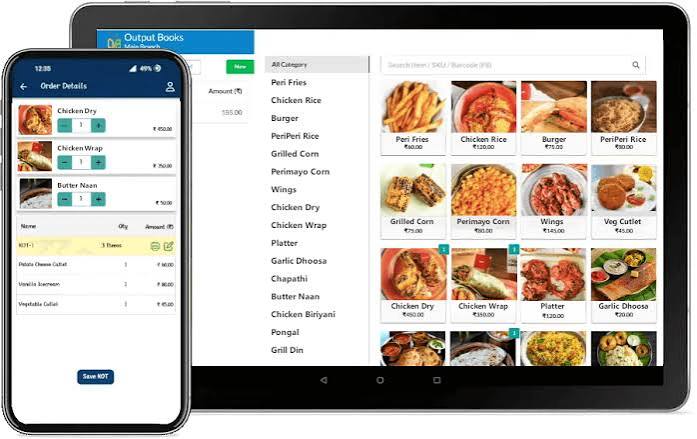
The waiter records the order in the restaurant's POS system. Instead of manually writing the order on paper and taking it to the kitchen, the system can generate or display the KOT for the kitchen staff.
The kitchen team can then prepare the items based on the order details.
Depending on the restaurant setup, different items can also be routed to different kitchen sections, such as:
- Main kitchen
- Tandoor
- Bar
- Bakery
- Grill
- Dessert station
This makes KOT an important part of restaurant order management.
What Is Restaurant KOT Software?
Restaurant KOT software is a digital system that manages Kitchen Order Tickets as part of the restaurant's overall ordering and POS process.
Instead of depending entirely on handwritten tickets, restaurant employees can enter orders through a POS system. The order information is then communicated to the kitchen digitally or printed automatically.
A KOT system can connect different parts of restaurant operations, including:
Customer → Waiter → POS → KOT → Kitchen → Billing
This creates a more organized order flow and reduces unnecessary communication between front-of-house and kitchen teams.
Why Do Restaurants in Nepal Need KOT Software?
Restaurants in Nepal range from small cafés and fast-food outlets to busy restaurants, hotels, and multi-outlet businesses. As customer volumes increase, managing orders manually can become challenging.
A digital KOT system can help restaurants improve several important areas.
1. Reduces Order Errors
Handwritten orders can sometimes be difficult to read or may contain incorrect quantities, missing items, or unclear instructions.
With digital KOT software, the order is entered directly into the system.
This helps kitchen staff receive clearer information about:
- Food items
- Quantity
- Table number
- Special instructions
- Order type
- Additional requests
Fewer order errors can result in better customer satisfaction and less food wastage.
2. Improves Communication Between Waiters and Kitchen Staff
In a busy restaurant, verbal communication can become difficult.
Waiters may need to repeatedly communicate orders to kitchen employees, while kitchen staff may need to ask questions about unclear orders.
A KOT system creates a structured communication process.
Once the waiter enters an order, the kitchen can receive the information without depending entirely on verbal communication.
3. Speeds Up Order Processing
Time is extremely important in restaurant operations.
When orders are entered digitally and sent directly to the kitchen, staff do not need to spend additional time carrying handwritten tickets from the dining area to the kitchen.
This can help restaurants process orders faster, particularly during busy periods.
4. Helps Manage Multiple Kitchen Stations
Many restaurants have different sections responsible for different food items.
For example:
- Pizza orders may go to the pizza station.
- Tandoori items may go to the tandoor section.
- Drinks may go to the bar.
- Desserts may go to the dessert section.
A properly configured KOT system can help route orders to the appropriate preparation area.
This improves coordination and reduces confusion within the kitchen.
5. Makes Order Tracking Easier
A digital system can provide better visibility into the status of orders.
Restaurant staff can monitor whether an order is:
- Newly received
- Being prepared
- Ready to serve
- Completed
This can help waiters and managers respond more quickly when customers ask about their orders.
Key Features to Look for in Restaurant KOT Software in Nepal
Not every KOT solution offers the same functionality. Restaurant owners should consider the features they actually need before selecting software.
Digital Order Entry
The system should allow waiters or cashiers to enter orders quickly and accurately.
A simple interface can be particularly useful during busy service hours.
Automated KOT Generation
Once an order is entered, the system should automatically generate the corresponding KOT.
This reduces manual work and helps maintain a consistent ordering process.
Kitchen Display or KOT Printing
Restaurants can use either printed KOTs, kitchen display systems, or a combination depending on their operational requirements.
The important thing is that kitchen staff can receive orders quickly and clearly.
Table Management
For dine-in restaurants, table management can be an important feature.
The system should allow staff to associate orders with specific tables, helping employees understand where each order belongs.
Order Modification
Customers sometimes change their orders.
A useful KOT system should allow authorized staff to modify or update orders while maintaining an accurate record.
Multiple Kitchen Sections
For larger restaurants, the ability to manage multiple preparation stations can make the system much more useful.
Orders can be directed to the appropriate department based on the menu item.
Billing Integration
KOT works best when it is connected to the restaurant's billing and POS system.
Once the order is recorded, the same information can be used for billing, reducing duplicate data entry.
Reporting and Analytics
Restaurant owners should also consider reporting features.
Useful reports can include:
- Sales reports
- Item-wise sales
- Order reports
- Staff performance
- Popular menu items
- Daily and monthly sales
- Kitchen-related order information
These reports can help managers make better operational decisions.
KOT Software vs Traditional Paper KOT
Many restaurants still use handwritten KOTs. While paper tickets are inexpensive and easy to start with, they can create challenges as restaurant operations grow.
| Traditional Paper KOT | Digital KOT Software |
|---|---|
| Handwritten orders | Digitally entered orders |
| Higher risk of handwriting errors | Clear digital information |
| Requires manual delivery to kitchen | Can be sent directly to kitchen |
| Difficult to track order status | Easier order tracking |
| Manual billing entry may be required | Can integrate with POS billing |
| Limited reporting | Detailed reports and analytics |
| Paper storage required | Digital records |
For smaller restaurants with limited order volumes, paper KOT may still be workable. However, restaurants looking to improve efficiency and scale operations can benefit from digital KOT management.
How Restaurant KOT Software Improves Restaurant Operations
The biggest advantage of KOT software is not simply replacing paper.
It is about creating a better-connected restaurant workflow.
Consider a typical customer journey.
A customer arrives at a restaurant and places an order with a waiter.
The waiter enters the order into the POS system.
The system generates the KOT and sends the relevant information to the kitchen.
Kitchen staff prepare the food based on the order.
Once the food is ready, the waiter is notified and serves the customer.
The order information is then available for billing and reporting.
This connected process reduces unnecessary manual steps and creates better coordination between different teams.
Benefits of KOT Software for Restaurant Owners
For restaurant owners and managers, the benefits extend beyond faster order communication.
Better Operational Efficiency
Automating repetitive processes allows employees to spend more time serving customers and less time handling paperwork.
Reduced Food Waste
Incorrect or duplicated orders can result in unnecessary food preparation.
More accurate order communication can help reduce such wastage.
Better Customer Experience
Customers expect accurate orders and reasonable waiting times.
A smoother kitchen workflow can contribute to faster and more reliable service.
Improved Accountability
Digital systems can record information about orders and transactions, helping managers understand how the restaurant operates.
Easier Business Management
When KOT is integrated with POS, billing, inventory, and reporting, restaurant owners can manage multiple aspects of the business through a connected system.
How to Choose the Best Restaurant KOT Software in Nepal
Before investing in a KOT system, restaurant owners should evaluate more than just the software's price.
Consider the following factors:
Ease of Use
Restaurant employees should be able to learn the system quickly.
POS Integration
Look for software that can connect KOT with ordering and billing rather than operating as an isolated system.
Scalability
The system should be able to support your business as it grows.
If you plan to open additional branches, consider whether the software can support multiple outlets.
Reporting
Choose a solution that provides useful reports for understanding sales and restaurant performance.
Support and Training
Reliable technical support and staff training are important when introducing new restaurant technology.
Hardware Compatibility
Check whether the software works with the POS terminals, printers, kitchen displays, tablets, or other hardware used by your restaurant.
Why Choose SMTech for Restaurant Management Technology?
For restaurants looking to move from manual processes to digital restaurant management, SMTech provides technology solutions designed to help businesses manage their daily operations more efficiently.
A restaurant management/POS solution can bring together important processes such as order management, KOT, billing, inventory management, sales tracking, and reporting.
Instead of managing different processes separately, restaurant owners can use an integrated system to create a more organized workflow.
For restaurants in Nepal, this type of solution can be particularly useful for improving order accuracy, coordinating kitchen operations, and gaining better visibility into business performance.
Is Restaurant KOT Software Worth It?
For a restaurant that handles a growing number of orders, digital KOT software can be a worthwhile investment.
The value comes from reducing manual processes, improving communication, minimizing order mistakes, and connecting kitchen operations with billing and restaurant management.
Small cafés may start with basic KOT functionality, while larger restaurants, hotels, and multi-outlet businesses may require more advanced POS and restaurant management features.
The right solution ultimately depends on the restaurant's size, menu, number of employees, order volume, and operational requirements.
Final Thoughts
Efficient order management is one of the foundations of a successful restaurant.
Restaurant KOT Software in Nepal can help businesses move away from inefficient manual processes and create a more organized connection between waiters, POS systems, kitchens, and billing.
From reducing order errors to improving communication and tracking orders, a digital KOT system can make everyday restaurant operations easier to manage.
As restaurants continue adopting digital technology, integrating KOT with POS, inventory, billing, and reporting can provide an even more complete approach to restaurant management.