Inventory Management for Restaurants: Complete Guide (2026)

Running a successful restaurant requires more than serving delicious food. Behind every great dining experience is a well-managed inventory system that ensures ingredients are available when needed, costs are controlled, and waste is minimized.
Many restaurants in Nepal struggle with inventory-related challenges such as overstocking, stock shortages, food wastage, and inaccurate stock records. These issues can directly affect profitability and customer satisfaction.
In this guide, we'll explore everything restaurant owners need to know about inventory management and how modern restaurant software can simplify the process.
What is Restaurant Inventory Management?
Restaurant inventory management is the process of tracking, ordering, storing, and using ingredients, beverages, packaging materials, and other supplies used in daily operations.
The primary goal is to maintain the right amount of stock at the right time while minimizing waste and controlling costs.
Effective inventory management helps restaurants:
-
Reduce food wastage
-
Prevent stock shortages
-
Control food costs
-
Improve profitability
-
Streamline purchasing decisions
-
Enhance operational efficiency
Why Inventory Management is Important for Restaurants
Inventory often represents one of the largest expenses in a restaurant business. Without proper control, businesses can lose significant revenue due to spoilage, theft, over-ordering, or inaccurate stock tracking.
Better Cost Control
Tracking inventory helps identify where money is being spent and highlights opportunities to reduce unnecessary expenses.
Reduced Food Waste
Restaurants can monitor expiration dates and stock movement to ensure ingredients are used before they spoil.
Improved Customer Satisfaction
Having essential ingredients in stock ensures menu items remain available and customers receive consistent service.
Accurate Profit Analysis
Inventory management provides clear insights into food costs, helping restaurant owners make informed business decisions.
Common Inventory Challenges Faced by Restaurants in Nepal
Many restaurants still rely on manual inventory tracking methods such as notebooks or spreadsheets. While these methods may work initially, they often become difficult to manage as the business grows.
Some common challenges include:
Overstocking
Ordering excessive inventory ties up cash flow and increases the risk of spoilage.
Stock Shortages
Running out of essential ingredients can lead to canceled orders and disappointed customers.
Food Waste
Poor tracking often results in expired or unused ingredients being discarded.
Theft and Pilferage
Without proper monitoring, inventory losses can occur through employee theft or operational inefficiencies.
Inaccurate Records
Manual calculations are prone to errors, making it difficult to determine actual inventory levels.
Key Components of Restaurant Inventory Management
Stock Tracking
Every ingredient and supply item should be recorded and monitored regularly.
Examples include:
-
Rice
-
Cooking oil
-
Vegetables
-
Meat products
-
Soft drinks
-
Packaging materials
Inventory Categorization
Organizing inventory into categories improves tracking and reporting.
Common categories include:
-
Raw materials
-
Beverages
-
Frozen products
-
Dry goods
-
Cleaning supplies
Purchase Management
Monitoring purchases helps businesses understand supplier performance and purchasing trends.
Waste Tracking
Recording damaged, expired, or discarded items helps identify areas for improvement.
Supplier Management
Maintaining accurate supplier information simplifies ordering and vendor communication.
Best Practices for Restaurant Inventory Management
Conduct Regular Stock Counts
Physical inventory checks should be performed regularly to ensure records match actual stock levels.
Many restaurants conduct:
-
Daily checks for fast-moving items
-
Weekly inventory audits
-
Monthly comprehensive stock reviews
Apply FIFO Method
FIFO (First In, First Out) ensures older stock is used before newer stock.
This method reduces spoilage and minimizes waste.
Set Reorder Levels
Establish minimum stock thresholds for essential items.
When inventory reaches the reorder point, new stock can be purchased before shortages occur.
Monitor Food Cost Percentage
Food cost percentage is a critical restaurant performance metric.
By tracking inventory and sales together, restaurant owners can identify pricing and purchasing inefficiencies.
Train Staff Properly
Employees should understand proper storage, handling, and inventory recording procedures.
Consistent processes reduce errors and improve accountability.
How Restaurant Inventory Software Helps
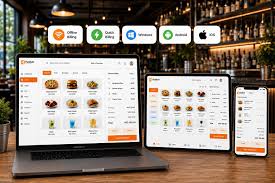
Modern inventory management software automates many time-consuming tasks and provides real-time visibility into stock levels.
Key benefits include:
Real-Time Inventory Tracking
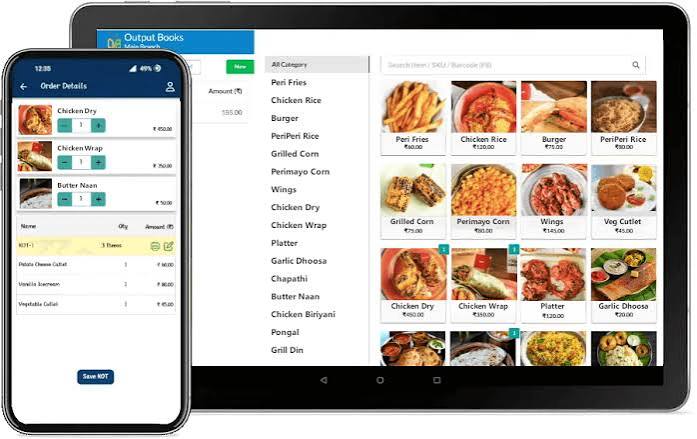
Inventory updates automatically whenever sales are processed through the POS system.
Automated Stock Alerts
Receive notifications when inventory reaches predefined reorder levels.
Purchase Management
Track supplier orders, deliveries, and purchase history from a centralized dashboard.
Waste Monitoring
Identify products with high wastage rates and take corrective action.
Detailed Reports
Generate reports on:
-
Stock usage
-
Inventory valuation
-
Food costs
-
Supplier performance
-
Purchase trends
Integration with Restaurant POS Software
One of the biggest advantages of modern restaurant management software is integration with POS systems.
When an order is placed:
-
The sale is recorded.
-
Ingredient quantities are automatically deducted from inventory.
-
Stock levels are updated in real time.
-
Reports reflect accurate inventory consumption.
This eliminates manual calculations and improves accuracy.
Signs Your Restaurant Needs Inventory Management Software
You may benefit from inventory software if:
-
Stock shortages happen frequently.
-
Food waste is increasing.
-
Inventory records are inaccurate.
-
Purchasing decisions are based on guesswork.
-
Managing multiple outlets has become difficult.
-
Profit margins are declining despite strong sales.
Choosing the Right Inventory Management Software
When evaluating inventory software, consider the following features:
-
Real-time inventory tracking
-
POS integration
-
Purchase management
-
Multi-branch support
-
Waste tracking
-
Mobile accessibility
-
Cloud-based access
-
Detailed reporting and analytics
The right solution should simplify operations while supporting future business growth.
The Future of Restaurant Inventory Management in Nepal
As Nepal's restaurant industry becomes increasingly digital, more businesses are adopting cloud-based inventory systems to improve efficiency and profitability.
Modern software solutions powered by automation, analytics, and real-time reporting are helping restaurant owners make smarter decisions and maintain tighter control over operations.
Restaurants that embrace digital inventory management today will be better positioned to reduce costs, improve service quality, and compete effectively in the years ahead.
Conclusion
Inventory management is one of the most important aspects of running a successful restaurant. Proper inventory control helps reduce waste, prevent shortages, improve profitability, and create a smoother customer experience.
Whether you operate a small café or a multi-branch restaurant, investing in a reliable inventory management system can significantly improve operational efficiency and business performance.
By combining inventory management with modern POS and restaurant management software, businesses can gain complete visibility into their operations and make data-driven decisions that support long-term growth.